
 Back to all news
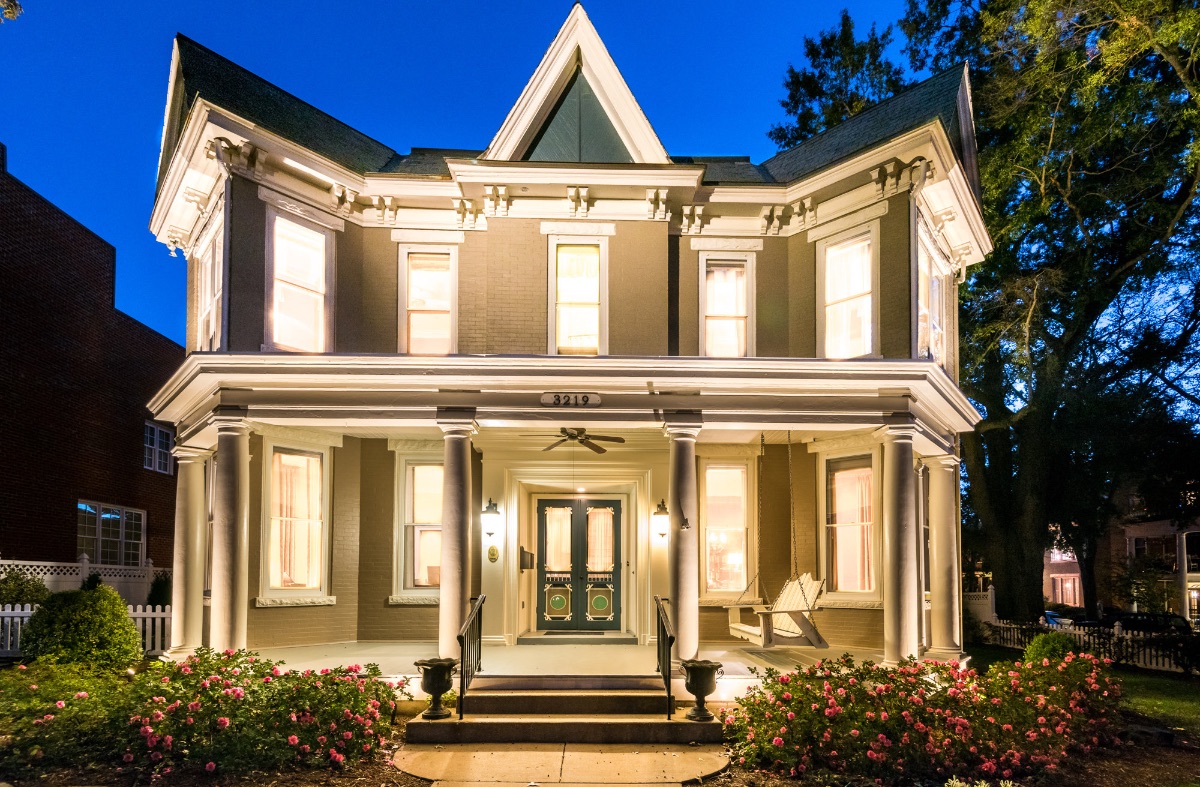
Historic Districts
Buying real estate in Richmond’s historic districts can be a rewarding experience due to the area’s rich history, unique architecture, and vibrant community. Here are some important facts and considerations:
Historic Districts in Richmond
- The Fan District: Known for its late 19th and early 20th-century architecture, with beautiful townhouses and Victorian-style homes.
- Church Hill: One of the oldest neighborhoods, featuring Federal, Greek Revival, and Victorian homes.
- Jackson Ward: Historically significant for its African American heritage and 19th-century architecture.
- Monroe Ward: A mix of residential and commercial properties with historic buildings.
Benefits of Buying in Historic Districts
- Architectural Beauty: Historic homes often feature unique architectural details not found in modern construction.
- Cultural Significance: Living in a historic district means being part of a community with a rich cultural heritage.
- Potential Tax Incentives: There may be local, state, or federal tax incentives for restoring and maintaining historic properties.
- Property Value: Properties in historic districts can maintain or increase in value due to their unique characteristics and desirable locations.
Considerations and Challenges
- Restoration and Maintenance: Historic homes may require significant upkeep and renovations to maintain their character and comply with historic preservation guidelines.
- Historic Preservation Guidelines: Owners must comply with specific guidelines and regulations set by local historic preservation boards. This can limit modifications to the property.
- Cost: While historic homes can be valuable, they may come with higher upfront costs due to their unique features and potential need for restoration.
- Zoning and Use Restrictions: Historic districts may have strict zoning laws that impact property use and modifications.
Steps to Buying in a Historic District
- Research: Understand the specific historic district, its guidelines, and its community.
- Inspection: Hire an inspector with experience in historic properties to identify any potential issues.
- Budget for Maintenance: Consider the cost of maintaining and potentially restoring the property.
- Consult Preservation Boards: Engage with local historic preservation boards to ensure compliance with regulations.
- Seek Professional Advice: Work with a REALTOR®, contractors, and lawyers familiar with historic properties.
Local Resources
- Historic Richmond Foundation: Provides resources and support for preserving Richmond’s historic properties.
- Virginia Department of Historic Resources: Offers information on historic preservation incentives and guidelines.
- Local Preservation Boards: Each historic district may have its own board or committee overseeing preservation efforts and compliance.
Market Trends
- Demand: Properties in historic districts often have high demand due to their unique features and desirable locations.
- Price Trends: Monitor local real estate market trends to understand the pricing dynamics in Richmond’s historic districts.
By considering these factors and leveraging available resources, you can make an informed decision when buying real estate in Richmond, Virginia’s historic districts.

 by Annie Junker
  Tuesday, July 16, 2024