 Back to all news
Three Chopt
-
Three Chopt District’s Unique Features:
- No Single Developer: Land was sold in small parcels by multiple parties, including groups of friends.
- Organic Layout: Homes were built in clusters along the curving, historic Three Chopt Road rather than following a grid pattern.
-
Streetcar Influence:
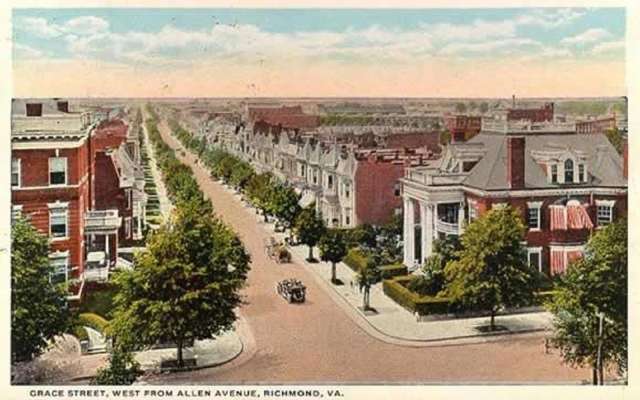
- Key Driver of Growth: Development surged after the 1901 opening of the Westhampton streetcar line.
- Streetcar Route: Ran parallel to Three Chopt Road from Grove Avenue to Towana Road.
- Stops: Two stops in the district fueled construction of architect-designed homes near Grove Avenue and Towana Road.
-
Architectural Legacy:
- Huntley: The oldest surviving house (1843) predates the streetcar era and is a rare example of late Federal architecture.
- Building Boom: Most homes were built between 1901–1929, with some added into the 1950s.
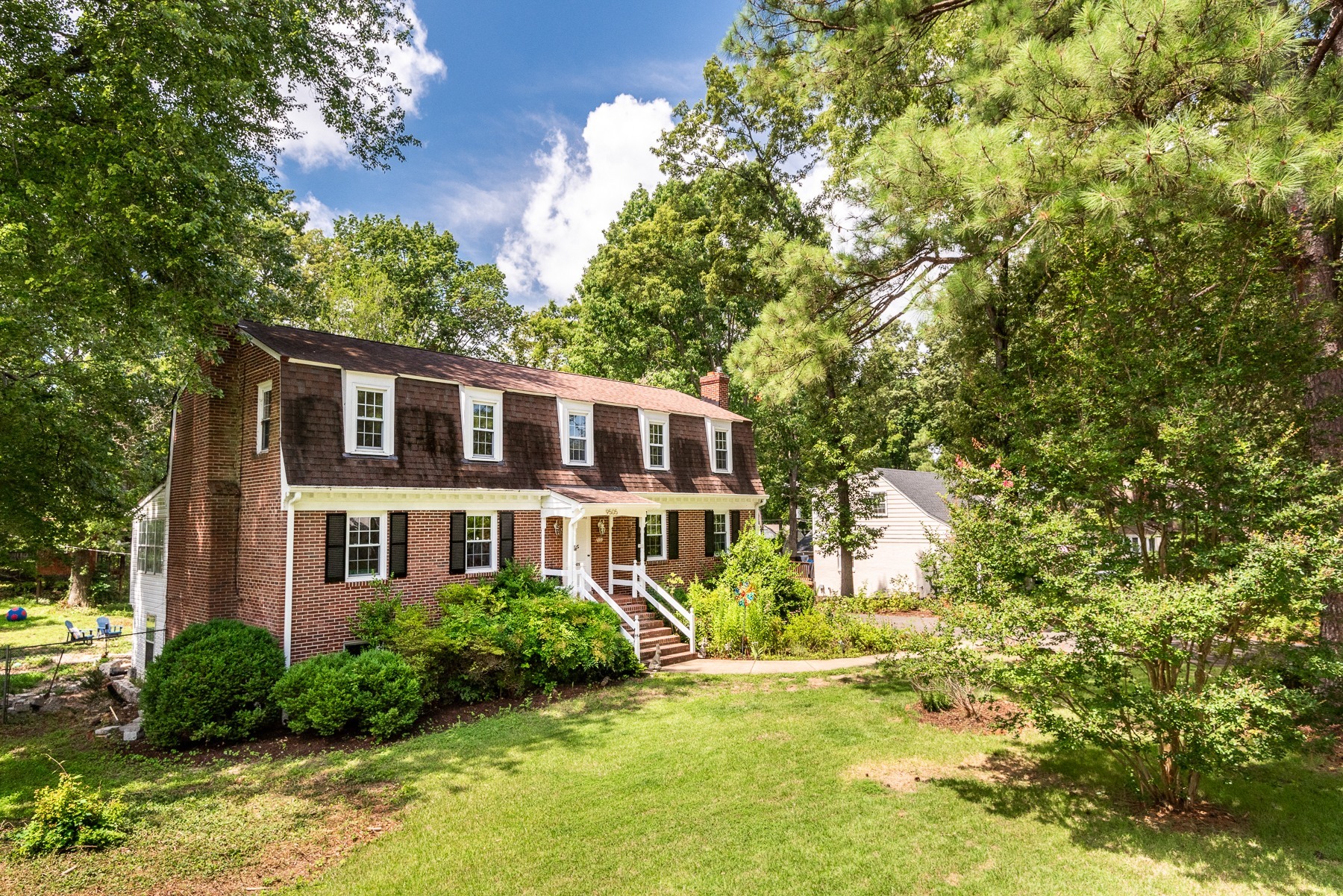
- Styles Represented: Includes Colonial Revival, Georgian Revival, Tudor Revival, Craftsman, Beaux Arts, and Mediterranean Revival.
- Preserved Features: Many homes retain original outbuildings like garages and garden sheds.
-
Enduring Popularity:
- Unlike other streetcar suburbs that declined with the rise of automobiles, Three Chopt remained highly desirable.
- Proximity: Close to public venues, Country Club of Virginia, and Libbie/Grove shops and restaurants.
- Character: The district’s historic and architecturally rich homes remain a major draw for homebuyers.

 by Annie Junker
  Wednesday, September 11, 2024