 Back to all news
Church Hill
Church Hill is one of Richmond’s most historic and iconic neighborhoods with a rich and unique history dating back to the early colonial period. Here are some historical and distinctive facts about Church Hill:
-
Colonial Origins: Church Hill was one of the first areas settled by English colonists in the early 18th century. It was established in 1737 and originally known as the “Church Hill” because of its location atop a hill that overlooked the James River and the rest of Richmond.
-
St. John’s Church: One of the most famous landmarks in Church Hill is St. John’s Church. Completed in 1741, it is the oldest church in Richmond. St. John’s Church gained historical significance as the site of the Second Virginia Convention in 1775, where Patrick Henry delivered his famous “Give me liberty or give me death” speech, advocating for American independence from British rule.
-
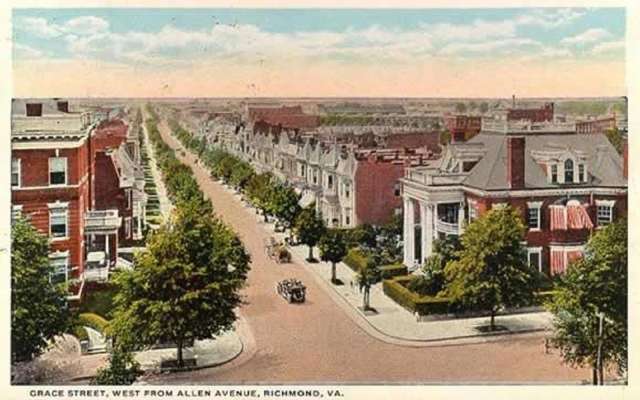
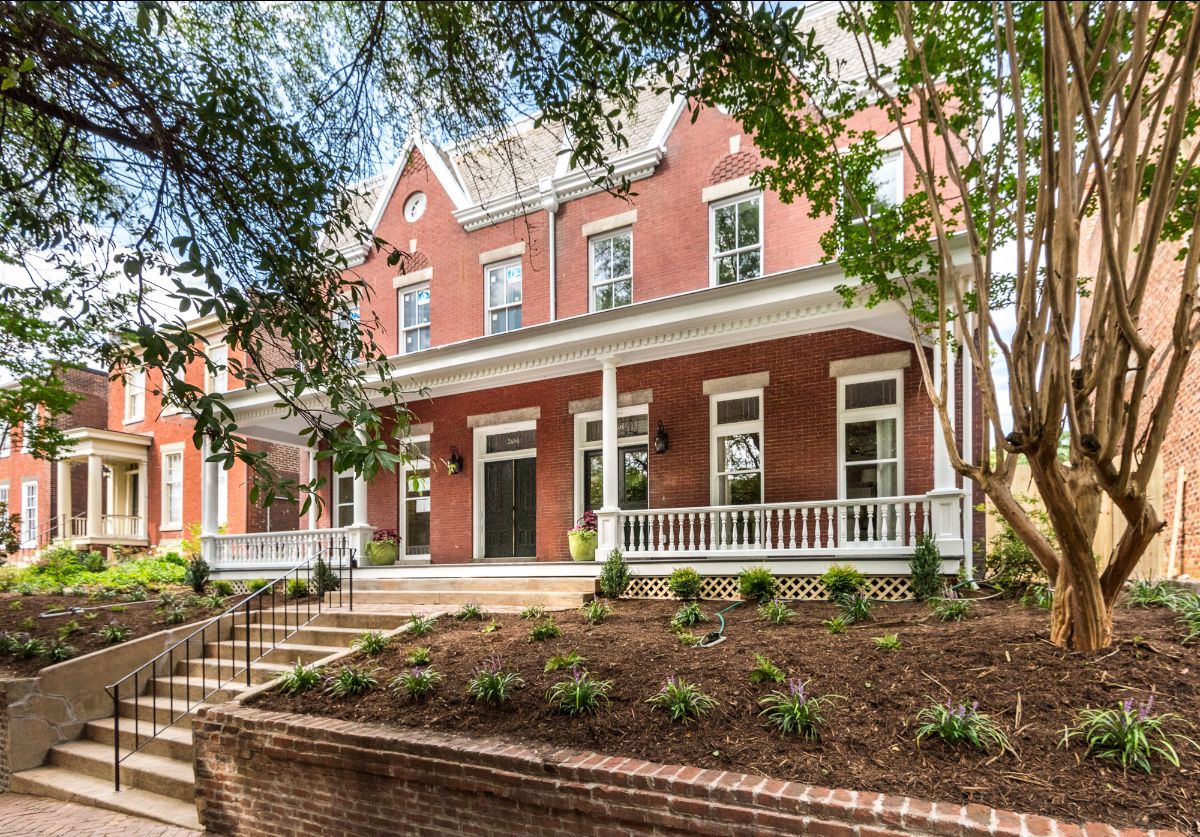
Historic Architecture: The neighborhood boasts a wealth of historic architecture, with many well-preserved 18th and 19th-century buildings. There are numerous examples of Federal, Greek Revival, and Italianate styles, adding to the neighborhood’s charm and historical character.
-
The View That Named Richmond: From the top of Church Hill’s Libby Hill Park, visitors can enjoy a stunning panoramic view of the James River and the surrounding area. Legend has it that when William Byrd II, an early settler, stood at this vantage point in 1737, he was reminded of the view from Richmond Hill in London, and thus, he decided to name the settlement after Richmond Hill.
-
Civil War History: During the American Civil War, Church Hill became an important military stronghold for both the Confederate and Union armies. Some of the historic homes in the area served as headquarters for notable figures such as Confederate General John B. Magruder and Union General George B. McClellan.
-
Tobacco Row: In the 19th and early 20th centuries, Church Hill was a hub for the tobacco industry. The area known as “Tobacco Row” featured a concentration of tobacco warehouses and factories, which played a significant role in the local economy at the time.
-
Diverse Community: Over the years, Church Hill has been home to a diverse range of residents, including prominent figures from various backgrounds. It has seen waves of immigrants, such as Irish, German, and Jewish communities, contributing to the neighborhood’s cultural tapestry.
-
Preservation Efforts: The Church Hill neighborhood has been the focus of extensive preservation efforts to protect its historical integrity. Organizations like the Historic Richmond Foundation have worked to conserve and restore many of the area’s historic buildings and landmarks.
-
Church Hill Tunnel: One of the more mysterious and unique aspects of Church Hill’s history is the Church Hill Tunnel. Constructed in 1873, the tunnel was used to transport trains through the area. However, it was abandoned in the 1920s and partially collapsed in 1925, leading to several urban legends about ghostly sightings and unsolved mysteries surrounding the tunnel.
Today, Church Hill remains a vibrant and culturally significant neighborhood, attracting residents and visitors alike with its historical charm, beautiful architecture, and unique atmosphere.

 by Annie Junker
  Wednesday, September 11, 2024